Content from the article
Endometriosis
Endometriosis is a common, chronic condition whose exact cause remains unknown.
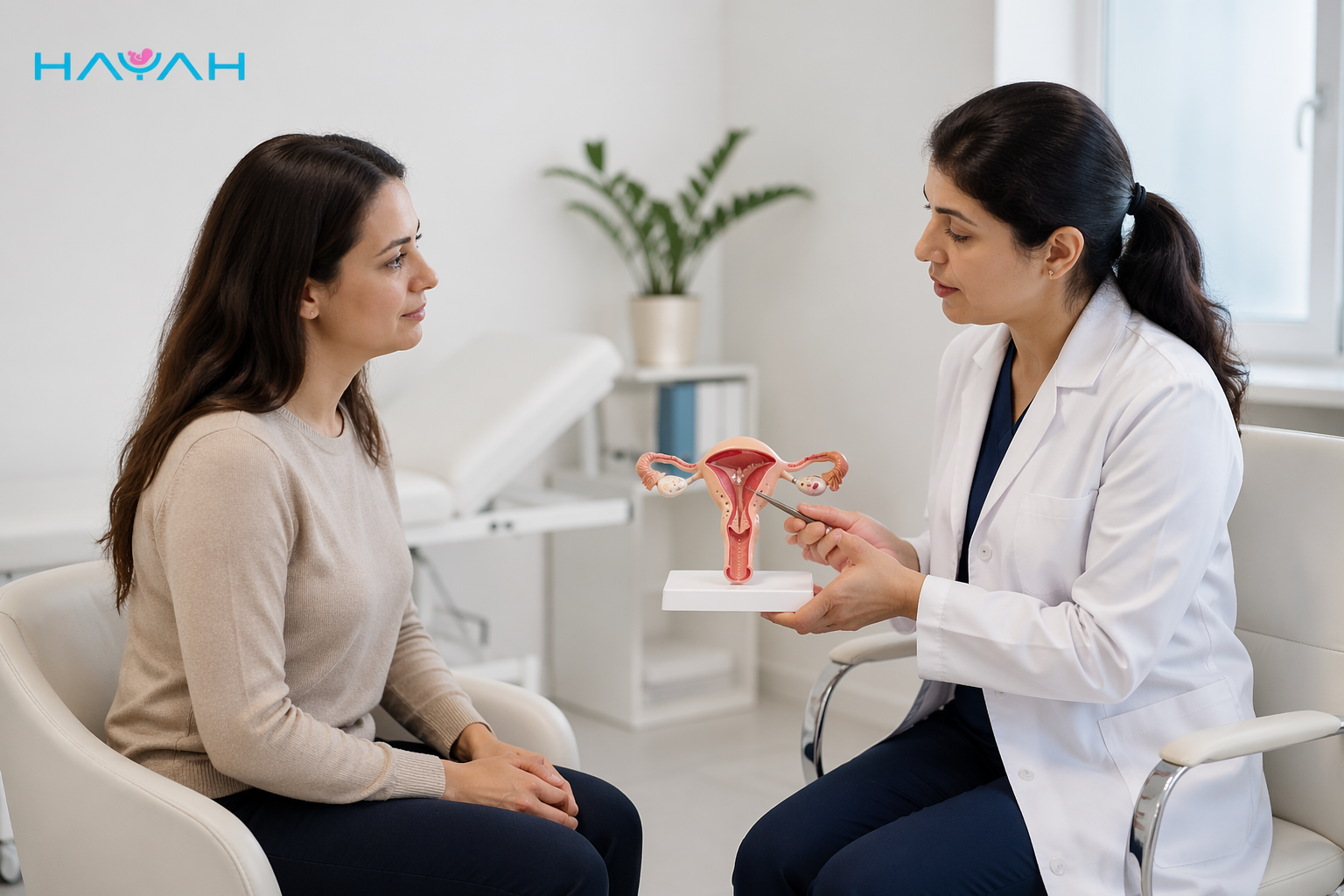
This condition affects the female reproductive system, in which endometrial tissue cells grow in places where they should not normally grow, such as the fallopian tubes and ovaries, or even farther away, such as the bladder, intestines, chest cavity, and skin.
Causes of the disease:
The exact causes of endometriosis are not specifically known, but there are several hypotheses proposed as possible causes of this disease.
Among these hypotheses are an abnormal immune disorder, a hormonal imbalance, and the backward flow of menstrual blood through the fallopian tubes into the pelvic cavity.
One of the most important theories attributes this disease to multiple genetic factors, as the incidence increases in families in which there are affected girls.
Prevalence of the disease:
This disease affects women of all ages during the reproductive years, from puberty until menopause. It affects 15-20 percent of women in general, and around 50-60% of women who suffer from chronic pelvic pain.
Symptoms of the disease:
A woman with this disease may not show any symptoms at all. The main symptoms are menstrual pain, pelvic pain, and pain during intercourse.
The presence of endometrial tissue outside the reproductive system may lead to pain associated with urination and defecation, and may also lead to blood appearing in the urine and stool, among other symptoms.
The spread of endometriosis within the pelvis and the formation of ovarian cysts and adhesions around pelvic tissues and organs may lead to delayed pregnancy and childbearing. This is one of the most important symptoms of the disease that drives a woman to consult a doctor in search of diagnosis and treatment.
Endometriosis is one of the known causes of delayed pregnancy and childbearing. This is evident from the increased rate of the disease among women who suffer from delayed conception, and the success rates of fertility programs are also affected by the presence of the disease in the woman.
There are different classifications used to express the severity of the disease, and there is a correlation between the severity of the disease and delayed pregnancy and childbearing.
Delay in discovering the disease leads to delay in treatment and progression of the disease to more severe stages.
How is it diagnosed?
The greatest opportunity for diagnosing this disease lies in the awareness and attentiveness of the primary healthcare provider (emergency physician/general practitioner) to the symptoms of the disease and its methods of diagnosis. Many girls repeatedly go to the emergency department, for example, complaining of severe pelvic pain and severe menstrual pain that prevents them from working, studying, and carrying out any activity.
The main diagnostic tool for this disease is laparoscopy. Without it, the diagnosis remains merely an assumption that may be right or wrong.
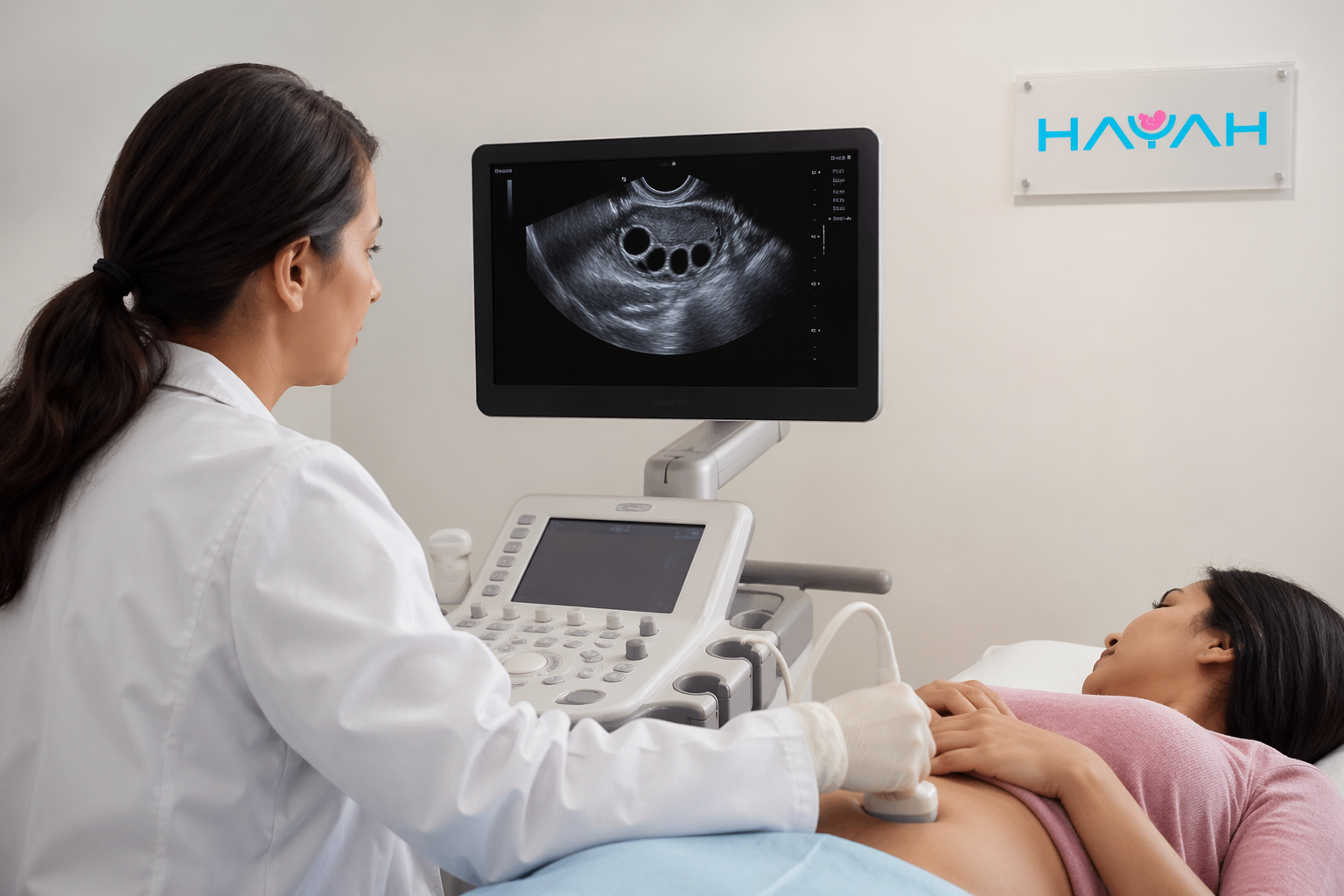
There are some tests that may help with diagnosis, such as the CA-125 tumor marker blood test and pelvic ultrasound imaging.
Treatment:
Treatment methods are multiple and depend primarily on the symptoms of the disease and its severity.
A patient may not be given any treatment in cases where there is no complaint and the disease was diagnosed purely by chance, and when the disease is in its mild stages.
Patients who suffer from severe pain, whether during menstruation or outside it, need pain-relieving treatments.
Treatment for patients may be medical or surgical, and the choice between them depends on the circumstances of the medical condition. The most important medical treatments include painkillers, combined contraceptive pills, progesterone hormone pills, and GnRH analogue injections.
Surgical treatment is usually performed through laparoscopy, and it is recommended to avoid repeated surgeries on the ovaries so as not to reduce the woman’s reproductive ability.
Assisted reproductive methods, including IVF, are considered an important therapeutic step in cases of endometriosis associated with infertility and delayed childbearing.
Dr. Omar Ahmad Al-Omari
Consultant in Infertility and IVF
Member of the Royal College of Obstetricians and Gynaecologists