Content from the article
Did you know that, according to statistics from the World Health Organization, about 17.5% of people worldwide are affected by infertility? This highlights the importance of providing diverse medical solutions to address such cases. Among advanced medical options, intrauterine insemination (IUI) stands out as an effective method that helps increase the chances of pregnancy and supports many couples in achieving their dream of parenthood. (1) (2)
In Jordan, Hayat Fertility Center is considered one of the leading centers in providing assisted reproduction services. It is distinguished by offering the latest technologies under the supervision of a highly experienced and qualified medical team, led by Dr. Omar Al-Omari and Dr. Amal Abu Abed, making it a top choice for those seeking the highest standards of care in infertility treatment.
What is artificial insemination?
Artificial insemination, also known as intrauterine insemination (IUI), is a medical procedure that involves introducing sperm directly into a woman’s reproductive system, either into the cervix or the uterus, which increases the chances of fertilization occurring within the body. (3) (4)
Did you know that the concept of artificial insemination dates back more than 200 years? However, it was not widely used until the 20th century, when it became one of the most important innovations in treating infertility and helping many couples achieve their dream of having children. (3) (4)
When is artificial insemination used?
It can be said that artificial insemination is not just a medical technique, but also a source of hope for couples struggling with infertility in their journey to achieve parenthood. It is considered an appropriate option in several cases, including the following: (5) (6)
Cervical problems: such as abnormalities in the cervix or thick cervical mucus, which can act as a barrier preventing sperm from reaching the egg.
Low sperm quality or count: cases involving low sperm count, poor motility, or abnormal sperm shape, where IUI helps by selecting the best-quality sperm for insemination.
Ejaculation or erectile dysfunction issues: some men may face difficulties such as inability to ejaculate or maintain an erection, making natural conception difficult, where artificial insemination serves as an alternative method.
Semen allergy: in rare cases, some women may have an allergic reaction to proteins in semen, causing irritation or redness that prevents intercourse and fertilization. In such cases, sperm can be washed to remove allergy-causing proteins before being inserted into the uterus.
Unexplained infertility: in some situations, no clear medical reason for infertility can be identified despite thorough testing of both partners. In these cases, artificial insemination may help improve the chances of conception.
How is artificial insemination performed
Below is a description of the main steps of the artificial insemination procedure, from the initial preparations to after the procedure, as well as what can be expected at each stage: (7) (8)
**Pre-artificial insemination preparation**
A set of necessary tests is performed to determine the suitability of the procedure for the couple before starting artificial insemination, including:
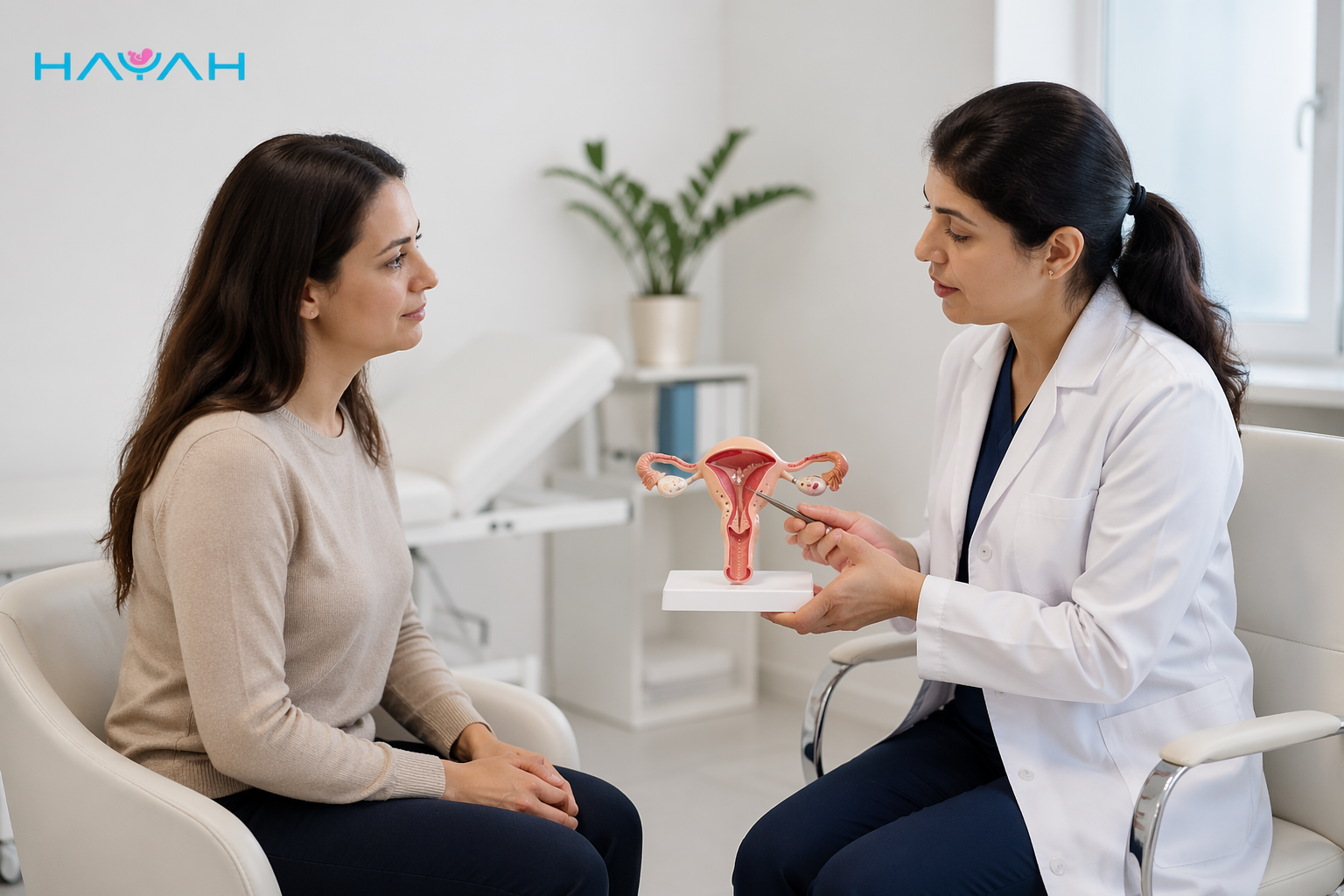
Female tests: Evaluation of ovarian health, uterus, and fallopian tubes.
Male tests: Semen analysis to ensure its quality.
**Ovarian stimulation with medication**
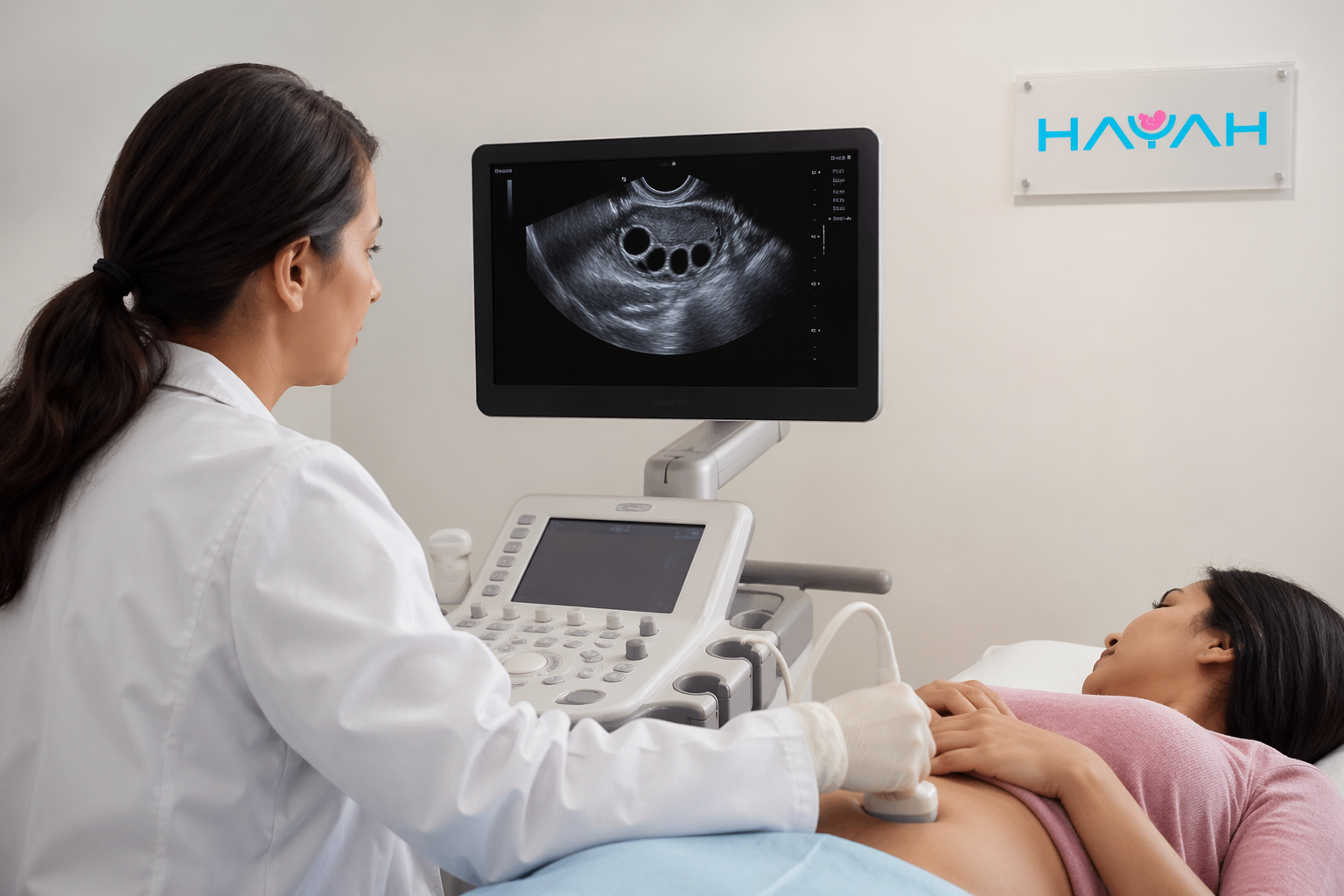
In this step, stimulating medications are used to increase egg production, such as follicle-stimulating hormone (FSH) and luteinizing hormone (LH). This is followed by ovulation monitoring, where egg development is tracked using ultrasound imaging and blood tests to determine the appropriate time for insemination.
**Egg maturation and semen preparation**
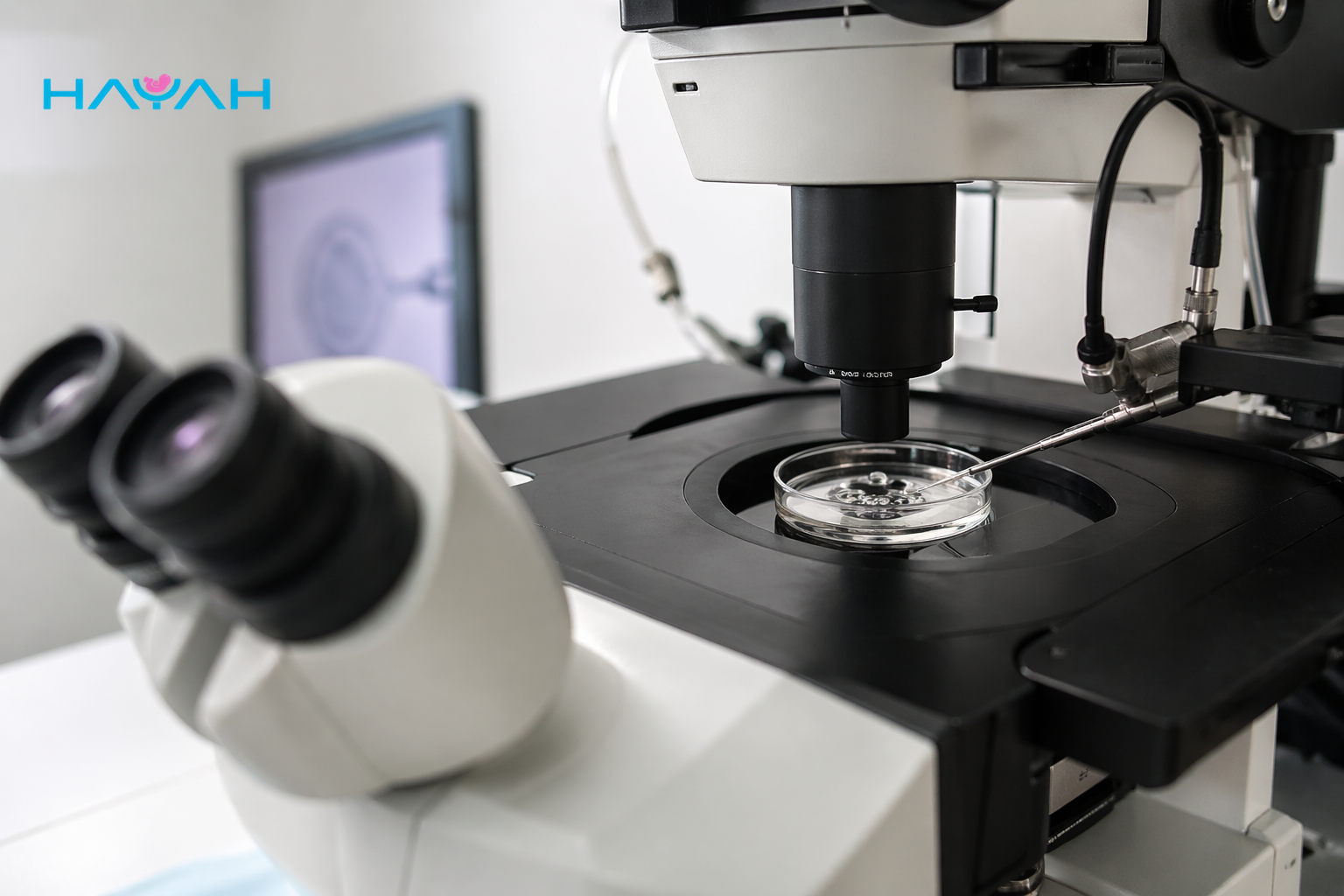
This step involves collecting a semen sample from the husband and preparing it in the laboratory to isolate healthy sperm for use.
**Intrauterine fertilization**
The processed sperm is inserted into the uterus through a thin tube (catheter) without the need for anesthesia, which helps increase the chances of fertilization. In this context, rest is recommended for a few hours after the procedure before resuming normal daily activities.
**After artificial insemination**
You may wonder what happens after artificial insemination. It is important to note several points that the woman should consider:
Symptom monitoring: Mild cramps or light bleeding may occur in the first few days after insemination, which is normal and not a cause for concern.
Pregnancy test: A pregnancy test is performed 14 days after insemination to confirm whether the procedure was successful or not.
**Future preparations**
If the artificial insemination is successful, couples must continue medical follow-up to monitor the pregnancy and ensure its normal progress. If it is unsuccessful, the following options may be considered:
Repeating artificial insemination: The procedure can be repeated if there is a chance of success in another attempt.
Considering other techniques: Such as in vitro fertilization (IVF) as an alternative option.
Advantages and disadvantages of artificial insemination
As with most medical procedures, artificial insemination has both advantages and disadvantages that should be considered before making a decision. Let us explain them in detail: (9) (10)
**Advantages of artificial insemination**
Increased chances of pregnancy: Artificial insemination is an excellent option for couples experiencing fertility difficulties, as it helps ensure that sperm reaches the uterus directly, increasing the chances of fertilization.
Less invasive and less complex than other treatments: Compared to techniques such as in vitro fertilization (IVF), artificial insemination is less invasive and less complicated for the body, making it a more comfortable option for many couples.
Possibility of gender selection: It may allow couples more satisfaction and excitement in the process.
Lower cost: The cost of artificial insemination is generally lower compared to treatments such as IVF or intracytoplasmic sperm injection (ICSI).
**Disadvantages of artificial insemination**
Limited success rate in some cases: Although it increases the chances of pregnancy, it does not guarantee success.
Need for repeated attempts: Some couples may require several attempts before achieving pregnancy, which can cause psychological and financial stress.
Side effects of fertility drugs: The procedure involves medications to stimulate ovulation, which may cause side effects such as mood swings, nausea, and others.
Higher chance of multiple pregnancy: Since ovarian stimulation may produce multiple eggs, this increases the likelihood of twins or more, which may raise the risk of pregnancy and delivery complications such as premature birth.
Success rate of artificial insemination
The success rate of artificial insemination varies depending on several factors. For women under the age of 40, the success rate exceeds 50% after 6 attempts of artificial insemination, and it can reach more than 75% after 12 attempts. This is taking into account that there are several other factors that influence the success of the procedure, including: (11) (12)
Age: The younger the woman, the higher the chances of success.
Health condition: The reproductive health of both partners and the quality of sperm significantly affect the outcome.
Doctor’s expertise and fertility center efficiency: Choosing a reputable and highly qualified medical center, such as Hayat Fertility Center in Jordan, increases the chances of success, as it provides the best medical technologies and psychological support for couples, along with close monitoring and the selection of the most appropriate treatment plans for each case.
Cost of artificial insemination
In fact, the cost of artificial insemination cannot be determined precisely for all cases, as it varies depending on several factors such as the health condition of the couple, geographic location, and the doctor’s experience. In this context, it is noted that the cost may be higher with some highly experienced doctors; however, this corresponds to their expertise and skill in performing the procedure, which positively contributes to increasing the chances of success from the first attempts. (13)
My experience with artificial insemination in detail
After two years of unsuccessful attempts to conceive, we discovered that the main reason was the low sperm count of my husband. Based on that, we decided to go to Hayat Fertility Center in Jordan, under the supervision of Dr. Omar Al-Omari and Dr. Amal Abu Abed, as it is considered one of the most well-known medical centers in Jordan for treating fertility and infertility issues.
The process began with detailed examinations to evaluate my condition and my husband’s condition. The doctor’s recommendation was to undergo artificial insemination. Accordingly, we went through several steps, including ovarian stimulation using fertility medications and sperm insemination.
After 14 days, I performed a pregnancy test, and the good news was that the procedure had succeeded. Thanks to God, the pregnancy was successful, and we are now the parents of the most beautiful “Os” in the world.
Frequently asked questions about artificial insemination Does artificial insemination succeed from the first time? Yes, taking into account that the success of artificial insemination depends on several factors such as the wife’s age, and the quality of eggs and sperm. Is artificial insemination painful? In general, the artificial insemination procedure is not considered painful; especially since anesthesia is not used in many stages, taking into account that it is possible to feel discomfort during some steps such as sperm injection. Best male infertility doctor in Jordan? There are many distinguished doctors in Jordan, most notably Dr. Omar Al-Amri and Dr. Amal Abu Aabed at Hayat Fertility Center, who have extensive experience in dealing with male infertility cases. What are the signs of successful artificial insemination after two days? In fact, it may not be possible for clear signs of successful artificial insemination to appear after only two days, and it is recommended to wait to perform a pregnancy test to confirm the result and verify the success of the procedure. How much does artificial insemination cost in Jordan? The cost varies depending on several factors; most notably: the health condition of the couple, geographical location, doctor’s experience, and number of previous attempts.
In conclusion, it must be emphasized that artificial insemination has become, in our time, a great hope for couples facing challenges in achieving the dream of parenthood, and with the presence of specialized and distinguished centers such as Hayat Fertility Center in Jordan, which includes a group of outstanding medical professionals led by Dr. Omar Al-Amri and Dr. Amal Abu Aabed to provide specialized medical consultations, achieving this dream has become closer than ever. If you are looking for the best medical options in this field, then Hayat Fertility Center is the first and best destination to achieve your goal.